Is Boston Harbor worth visiting?
An honest look at what Boston Harbor offers a visitor: the Harborwalk, the islands, the waterfront neighborhoods, and whether an evening dinner cruise earns its place on a short trip.
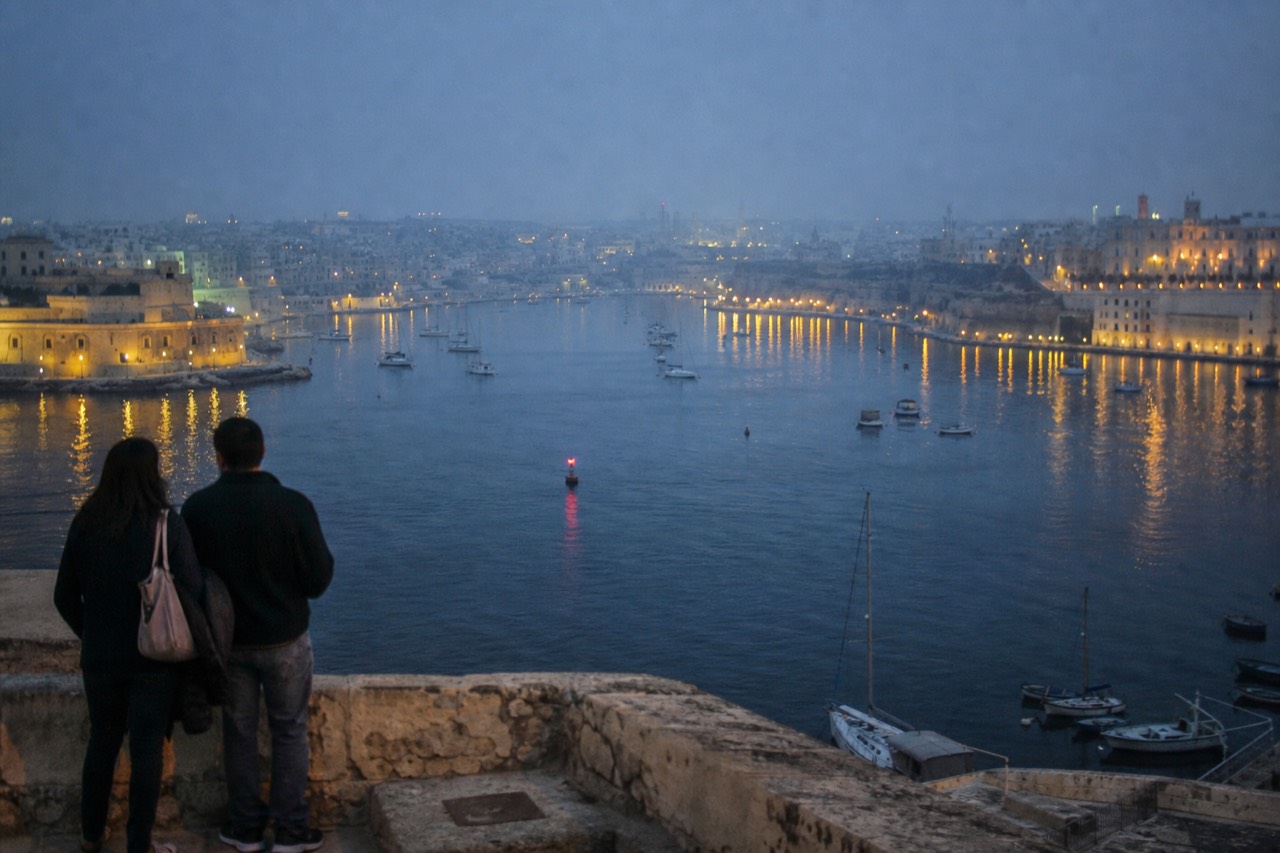
Is Boston Harbor Worth Visiting?
Yes, for most first-time visitors Boston Harbor earns a half-day on almost any itinerary, because the waterfront itself is free and unusually walkable: the Harborwalk links the North End, Seaport, and Charlestown, the Harbor Islands are a short ferry ride out, and the skyline views cost nothing. The honest caveat is that not every visitor needs a boat to get the harbor's best angles, and a crowded short trip can see plenty from shore alone.
The harbor is not a single attraction. It is a working port wrapped around a modern city, and the city has spent three decades turning its edge toward the water. What that means in practice: you can walk from the aquarium to the North End along the water, cross to Charlestown over a bridge with destroyer views, or sit on a bench at Fan Pier and watch the ferries without spending a dollar.
The question most people are actually asking is narrower. They have two or three days in Boston, they have Freedom Trail plans, and they want to know whether the harbor is a real destination or just scenery behind Faneuil Hall. The short answer is that the harbor is a destination, but a modular one: you can take it in pieces, on foot, by ferry, or from a dinner table on the water, depending on how much time and money you want to spend.
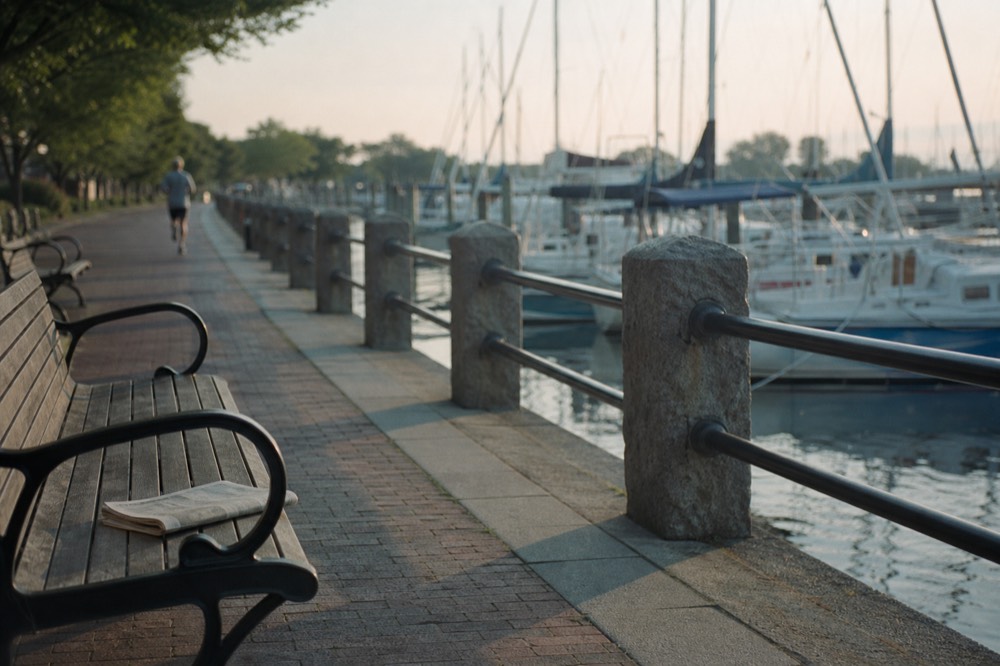
For visitors who want the full picture in one evening, the two real dinner-cruise vessels, Spirit of Boston and Odyssey, both run year-round from the Seaport and Rowes Wharf. They are one way to fold the harbor into a plan, not the only way, and later in this article there is an honest section on who should skip a boat entirely.
What Can You See From The Water That You Cannot See From Land?
The honest answer is a specific list, not a vague promise: from a boat you get the full skyline in one frame from mid-harbor, the airport approach from below, the fortified East Boston shoreline, and the scale of the working port, none visible from any single point on land. What you do not get from the water is the close-up texture of the waterfront, the North End's streets, or the Harborwalk's nooks.
The skyline view is the headline. From shore you see the city edge-on, from one angle at a time. From the middle of the harbor, the Financial District towers, the Seaport's glass boxes, and the Custom House Tower line up in a single panorama that photographs the way people expect Boston to look. Sunset sailings time this frame deliberately; Boston's summer solstice sunset falls at 8:25 p.m. on June 21, which is why evening cruises in June and July run closest to golden hour.
The second thing is the harbor's working geography. Boston Harbor is a real port with real industry, and from the water you can read it: the Black Falcon Cruise Terminal in South Boston, the fuel tanks along the Chelsea Creek side, the Logan Airport flight path low overhead, and the Boston Harbor Islands spread across the mouth. From land, most of this is invisible or blocked.
The third is the islands themselves. Georges Island and its Fort Warren are visible from downtown but only feel real from the water. A dinner cruise is not an island landing trip, and its exact track varies, but the perspective of the city shrinking behind you while the islands rise ahead is something the Harborwalk cannot reproduce.
What a boat cannot do is slow down. The Harborwalk gives you the Barking Crab's picnic tables, the Institute of Contemporary Art's cantilevered gallery, the North End's pastry lines, and the Charlestown Navy Yard at your own pace. That is the trade: boats give you the wide frame, the shore gives you the detail.
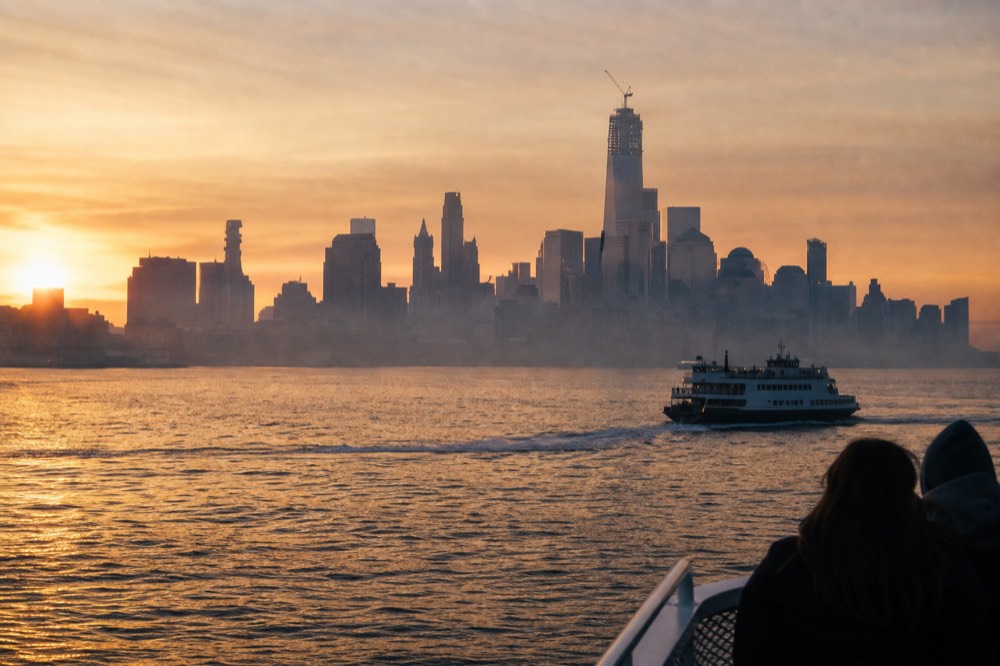
How Much Time Should You Budget For The Harbor On A Short Trip?
For a two- or three-day Boston trip, budget a half-day for the harbor on foot plus one evening if you want a dinner sailing: the Harborwalk's best stretch, aquarium to North End to Charlestown, takes two to three unhurried hours, a ferry to Georges Island takes most of a half-day, and a dinner cruise needs roughly three to four hours for sailing and early arrival, plus travel to the pier. Visitors who only have one day should walk the waterfront and skip the boat.
The half-day on foot is the core recommendation. Start at Long Wharf, walk the wharf itself, follow the Harborwalk through the North End's edge, and either loop back through the city or cross the Charlestown Bridge to the Navy Yard. This route is flat, free, and hits the harbor's best land-based views. Add the Harbor Islands only if you have a spare half-day and decent weather; the ferry schedule is seasonal and the islands are largely a warm-weather destination.
The evening is where the dinner sailing fits. A two- to three-hour dinner cruise, plus arrival an hour before sailing and travel to the pier, turns an evening into a planned block. Departure times depend on your date and ticket; use the selected listing and voucher rather than assuming a fixed weekly schedule. That leaves the day free for the Freedom Trail or museums and hands the evening to the water.
Here is a simple budgeting framework:
| Trip length | Harbor time to budget | Recommended mix |
|---|---|---|
| One day | 2-3 hours | Harborwalk walk only, Long Wharf to North End |
| Two days | Half-day plus one evening | Harborwalk plus a dinner sailing |
| Three days or more | One full day plus one evening | Harborwalk, ferry to Georges Island, dinner cruise |
| Day trip from elsewhere | 1-2 hours | Waterfront stroll around Long Wharf and Fan Pier |
The one-day visitor should not feel pressure to book a boat. The harbor's free layer is genuinely good, and a rushed dinner cruise squeezed between train times is worse than a relaxed walk. Our guide to the best time for a Boston Harbor dinner cruise goes deeper on seasonal timing if you are weighing months rather than days.
Where Does A Dinner Cruise Fit Into A Harbor Visit?
A dinner cruise works best as the evening layer on top of a day already spent on the waterfront: it converts the skyline you walked past all day into a moving panorama, adds a meal and DJ entertainment to hours you would otherwise spend finding a restaurant, and keeps you on the water past sunset, when the Harborwalk empties and the city lights come on. It is a replacement for a dinner reservation, not for the walk itself.
The two dinner vessels compared here are operated by City Cruises Boston. The prices and review totals in this paragraph are snapshots retained from the September 2026 article, not current quotes. The Spirit of Boston runs a buffet dinner cruise from Commonwealth Pier in the Seaport, from $90 per person, rated 4.4 across 454 reviews, running 2 to 3 hours with an all-you-can-eat buffet, a live DJ, and dancing. The Odyssey runs a premier plated dinner cruise from Rowes Wharf, from $119 per person, rated 4.2 across 122 reviews, running approximately 2–3 hours, depending on the selected departure, with a 3-course plated dinner at private tables and cocktail attire suggested.
The distinction matters for itinerary planning. The Spirit is the louder, more casual evening, closer to a floating party, and it suits families and groups who want flexibility and a lower price. The Odyssey is the plated, dressier evening, with a private table and DJ entertainment, and it suits couples and anniversary dinners. Time Out Boston's date-ideas list singled out the Odyssey's Rowes Wharf dinner cruises for exactly this: a three-course meal, live music, and what the outlet called rom-com-worthy ambience on deck after dark.
The practical fit is this: spend your day walking the harbor's free layer, then let the boat handle dinner and the after-dark views in one block. The alternative is a land dinner plus a separate night walk, which is cheaper but splits your evening across a restaurant and a darkened waterfront. Both are legitimate plans. The boat is the version where the harbor itself is the venue.
Planning a date-night version of this? The details are in our romantic Boston Harbor dinner cruise guide, including the operator's seasonal romance add-ons.
Who Should Skip The Boat And Just Walk The Harborwalk?
Visitors who should skip a dinner cruise fall into four honest groups: travelers on a tight budget, since the walk is free and a dinner cruise requires a paid ticket; visitors with limited mobility who should confirm vessel accessibility before booking, since not all decks are accessible; travelers who dislike structured, timed evenings with DJ entertainment; and anyone visiting in raw winter weather, when open decks lose their appeal.
The budget case is the strongest. A couple can walk the entire Harborwalk, buy cannoli in the North End, and watch the sunset from Fan Pier for the price of dessert. The September 2026 article recorded starting fares of $119 per person for Odyssey and $90 for Spirit, before drinks; compare current totals for your date. One August 2025 reviewer on a Spirit sailing called the price steep for the food quality, which is a fair warning to set expectations: you are paying for the venue and the views as much as the plate.
Accessibility deserves a direct statement. The operator's own FAQ says the fleet includes accessible vessels but that not all vessels and decks are considered accessible, and directs guests to contact the company before booking to confirm a specific sailing. There is no published vessel-by-vessel breakdown for Boston. If this matters to your group, call before you book rather than after.
Weather is the third factor. Boston Harbor's average surface temperature is 40°F in January against 67°F in July, and the operator sails rain or shine, moving dockside only in severe weather or on Coast Guard direction. A January dinner cruise is a legitimate experience, the skyline in winter is dramatic, but the open decks are brief visits, not lingering ones. Summer and early fall are the seasons the boat earns its full value.
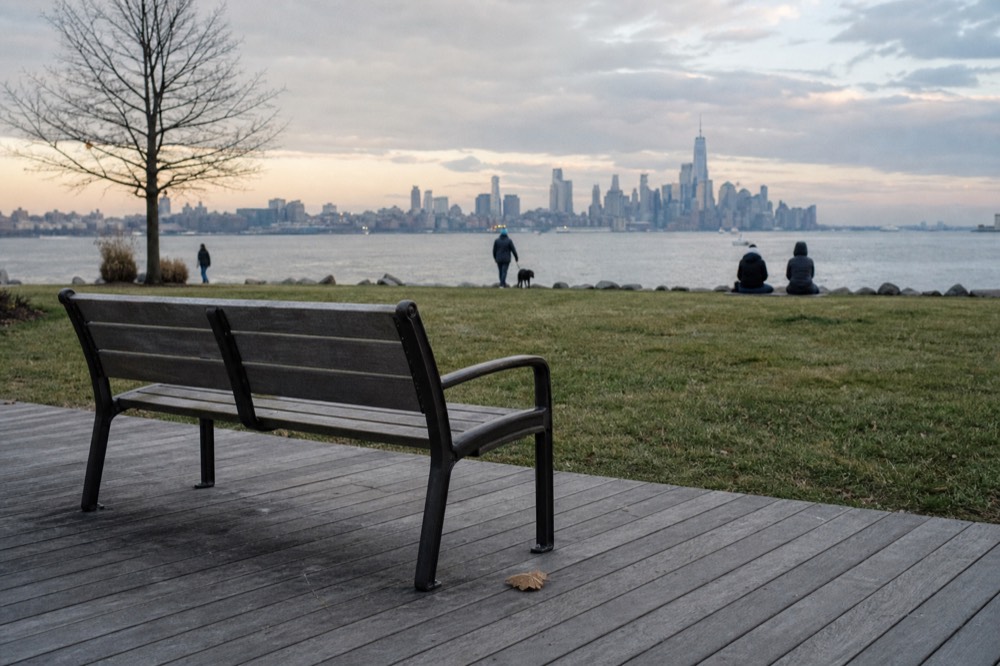
If you land in the skip-the-boat camp, the Harborwalk alone still delivers most of the harbor. For everyone else, the boat is the evening half of a harbor day, and Boston Harbor Dinner Cruises exists to help you pick the right one rather than talk you onto the water regardless.
What Does A First Evening On The Water Actually Look Like?
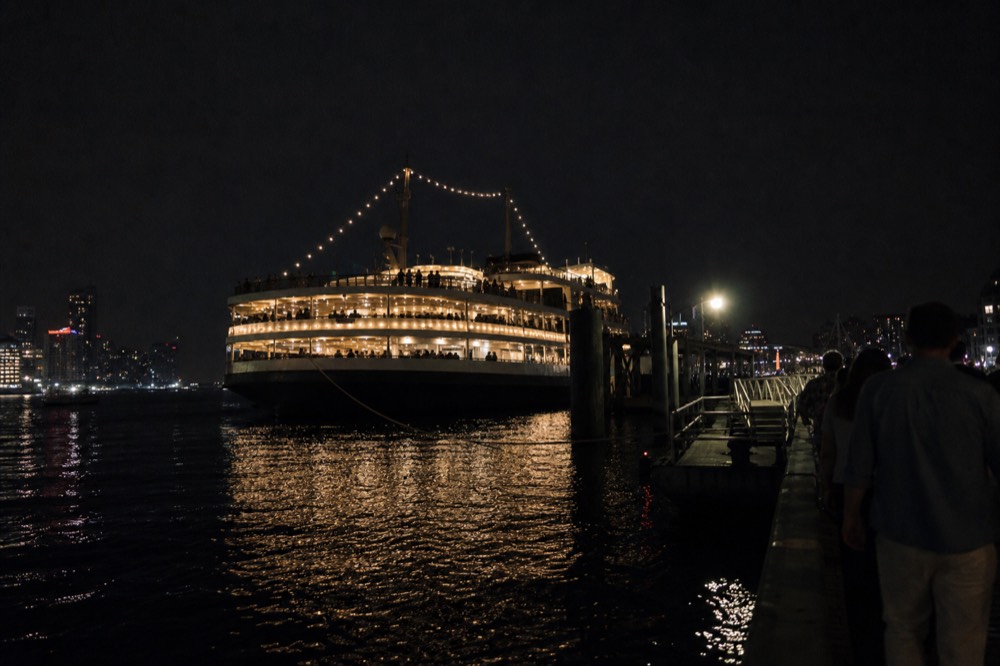
A typical dinner sailing needs roughly three to four hours before travel: you arrive an hour before departure, board, find your table or the buffet line, eat during the first hour while the vessel clears the inner harbor, then get the skyline panorama, music, and open-deck time before docking. The Spirit version is buffet and DJ energy; the Odyssey version is a plated 3-course dinner at a private table.
The boarding rhythm is consistent across both vessels. Current dinner listings ask guests to arrive an hour before departure; follow your ticket for boarding instructions. Vessels depart promptly, and the operator's policy offers no compensation for late arrival. Once aboard, the meal anchors the first hour, and the route does the rest: out past the Seaport skyline, along the inner harbor with the Custom House and Financial District on one side and East Boston on the other.
What surprises first-timers, in the good sense, is how quickly the city reorganizes itself into a postcard. The view that takes a full afternoon to assemble on foot, North End, downtown, Seaport, Charlestown, arrives in one slow rotation from mid-harbor. Reviewers celebrating anniversaries on the Spirit consistently mention this moment, one September 2025 couple calling the city tour spectacular on their first anniversary sailing.
The two vessels also differ in tone enough to matter. The Spirit of Boston is a four-level vessel with three climate-controlled interior dining decks plus open observation decks, capacity 600, built in 1990. The Odyssey is the dressier sibling, with cocktail attire suggested and plated table service; Spirit also lists private tables with its buffet. Choosing between them is mostly choosing buffet service or a plated meal, with DJ entertainment on both, which our guide to what a Boston Harbor dinner cruise costs breaks down line by line.
The Odyssey is the pick for visitors whose harbor evening is the centerpiece of the trip rather than an add-on: the plated dinner, private table, and Rowes Wharf departure make it the closest thing Boston has to a waterfront restaurant that cruises.
The Honest Bottom Line
Boston Harbor is worth visiting, and the free layer alone justifies it: the Harborwalk, the islands in season, and two waterfront neighborhoods that reward aimless walking. A dinner cruise is worth adding when you have the evening free, the budget for the current dinner fare plus extras, and a taste for the skyline after dark. It is skippable for budget travelers, unconfirmed-accessibility groups, and anyone who would rather eat on land.
The modular framing is the useful one. Take the walk regardless. Add the ferry if you have a spare half-day and warm weather. Add the boat if the evening is open and the idea of dinner with a rotating skyline appeals. Skip the boat without guilt if any of those conditions fail.
If the evening band above has you leaning toward a sailing, the two vessels split cleanly by mood: Odyssey for the plated, dressier night, Spirit for the buffet-and-DJ party. The choice comes down to which dinner you would rather be having when the skyline rotates past your table.
For the budget-conscious version of a harbor evening, the Spirit of Boston buffet sailing from Commonwealth Pier is worth comparing against Odyssey’s current fare, and the Seaport departure puts you steps from the Harborwalk for a walk-off after docking.
These are the questions first-time visitors ask most often before committing harbor time to a Boston trip: whether the harbor justifies itself without a boat, how many hours to budget, what the water adds that the shore cannot, and who is better off staying on the Harborwalk. Each answer is short and stands alone.
Common Questions About Visiting Boston Harbor
Is Boston Harbor worth visiting?
Yes, for most visitors. The free layer, the Harborwalk, the waterfront neighborhoods, and the Harbor Islands in season, justifies a half-day on almost any itinerary. A dinner cruise is an optional evening layer, best for travelers with the time and budget for it.
Can you enjoy Boston Harbor without paying for a cruise?
Yes. The Harborwalk from Long Wharf through the North End to Charlestown is free and covers the harbor's best land-based views, and Fan Pier and the Seaport waterfront cost nothing. A boat adds the mid-harbor skyline panorama and the after-dark water views, which the walk cannot replicate.
How much time should a first-time visitor give the harbor?
Budget two to three hours on foot for the core Harborwalk stretch, a half-day if you add a ferry to Georges Island, and roughly three to four hours for sailing and early arrival, plus travel, if you add a dinner cruise. On a one-day trip, walk the waterfront and skip the boat.
What do you see from a dinner cruise that you cannot see from land?
The full skyline in a single frame from mid-harbor, the airport approach from below, the working port and its terminals, and the Boston Harbor Islands from the water. Dinner cruises do not provide island landings; do not assume a guaranteed island circuit.
Who should skip a Boston Harbor dinner cruise?
Budget travelers who prefer the free waterfront; visitors who need to confirm vessel accessibility before booking; travelers who dislike timed, structured evenings with DJ entertainment; and anyone visiting in raw winter weather, when open-deck time shrinks and severe-weather sailings may stay dockside.
Do the dinner cruises run year-round?
Dinner departures may be offered across the year, but check the specific date. The September 2026 article’s holiday and Harborfest examples are historical; a standard dinner ticket does not include a fireworks guarantee.
City Cruises Historic Sightseeing Harbor Cruise
Have your Boston day in mind? Check the one-hour harbor cruise schedule before fitting the waterfront around your other plans.
1 hour · English live narration · 1 Long Wharf, Boston
Scheduled departure dates. Availability and final price are confirmed on Viator.
None of these experiences matches that choice. Adjust your preference or reset to the general recommendation.
Match Your Sailing And Compare Costs
- Daytime views and history
- One-hour English narration from Long Wharf. 1 hour · 1 Long Wharf, Boston. Boat wheelchair accessible; restrooms not wheelchair accessible Infants require ticket
- Sunset without dinner
- 90-minute narrated sunset experience; no meal included. 90 minutes · 1 Long Wharf / Long Wharf North; verify departure gate at ticket center. Boat wheelchair accessible but Viator says restrooms are not Infants free but require ticket
- A plated dinner evening
- Three-course dinner and DJ/dancing; approximately 2–3 hours. 2–3 hours · 60 Rowes Wharf, Gate B, Boston. Viator wheelchair and stroller accessible Service animals allowed
Before Booking
Boat wheelchair accessible; restrooms not wheelchair accessible Infants require ticket Service animals allowed 15 minutes before departure
Compare complete party totals in the same currency, including any transport, meals or extras you would otherwise buy.